

Article
Alejandro Martin Rodriguez, Joy Arkeh, Sarah Yerkes
Source: Getty
Soft power on its own is insufficient to meet U.S. national security needs, but hard power also has its limits. Soft power allows for more effective and efficient use of hard power than hard power alone, as it encourages cooperation and compliance which deters the need for hard power.
The term “soft power,” which entered public discourse in the wake of the Cold War, refers to the power that flows from intangible things such as the culture, values, and moral authority of a country, in contrast to its “hard power,” which is based in its military and economic resources.1 Soft power is not coercive: it entices others to do what a country wants them to do—to follow its lead in foreign policy, to join its coalitions, and to adopt its ideology—because they find its values, reputation, and strength compelling and want to emulate these.
Soft power on its own is insufficient to meet U.S. national security needs, but hard power also has its limits, as the current war against Iran demonstrates. Soft power allows for more effective and efficient use of hard power than hard power alone, as it encourages cooperation and compliance which deters the need for hard power.
Most indicators demonstrate that American soft power has declined since the start of the second Donald Trump administration. Yet, it has been under threat many times in the past and it has always (mostly) recovered. What is unique about this administration, however, is that it is unintentionally and intentionally destroying traditional sources and instruments of American soft power, doing damage that may not be repaired for decades.
Understand the world with the latest from our scholars around the world.
In the 1990s, the term “soft power” was popularized by Joseph Nye, who framed it as a form of power operating through attraction whereas hard power operates through coercion.2 This was in response to the Cold War-era argument that America was in decline.3 Nye argued that declinists overlooked what he called “co-optive or soft power,”4 a key form of power that prompted other countries to willingly support or accept U.S. goals with little or no coercion. Nye first kept the definition rather broad, first defining it simply as “getting others to want what you want.”5
He expanded the definition after 9/11, identifying culture, political values, and policies on international issues as the primary ingredients of soft power.6 John Ikenberry has pointed out that legitimacy is also an important component.7 It can be difficult to identify the exact impact that soft power has on the world, particularly in specific instances, just as it can be difficult to identify the exact impact of a company’s reputation on consumers’ interest in its products. Yet, as in the latter case, it is hard to believe that soft power has no impact.
Regardless of their nature, different actors, and not only states, rely on soft power to achieve their goals. Terrorist groups, for example, depend heavily on it for recruitment and for legitimacy within their own communities. And state and nonstate actors rarely wield it on its own. Rather, the most effective use of power combines hard and soft power, with one amplifying the other. Nye refers to this as “smart power.”8 Despite critical views, the concept is therefore valuable in policy analysis.9
Perhaps the best-known conception of American soft power flows from the idea of America as a “city on a hill”—a country inherently attractive to people of other nations, who hope to share in the “American dream.” The idea reflects the conception that America’s values like freedom, equal opportunity, innovation, and capitalism are not only crucial to its fabric but also attract people worldwide, thus generating soft power. Originally formulated by John Winthrop in 1630, the idea of America as a “city on a hill” resonated globally in the 1950s and 1960s, with the country experiencing an economic boom with rising prosperity and consumerism. This drew a wave of mass immigration to America beginning in 1965—one indicator of soft power—but its “global ideological appeal”10 diminished during the era of civil rights contestation, when the country’s hypocrisy was revealed and its championing freedom and equality abroad contrasted sharply with its domestic reality. Later, as socioeconomic inequality grew in the 1990s and early 2000s, with certain parts of the population left behind, particularly people of color and immigrant populations, the American economic model also came into question.11
Over the past twenty-five years, other U.S. actions have taken some of the shine off the “city on a hill.” Most notably, as Nye explained, the response to 9/11, and the decision to go to war in Iraq in 2003 greatly reduced the international trust in and the legitimacy of America.12 Survey data shows that U.S. credibility collapsed in dozens of countries directly after the invasion of Iraq. According to the Pew Research Center, the favorability rating of the United States dropped from 75 percent in the summer of 2002 to 48 percent in March 2003 (immediately after the invasion) in Great Britain, from 70 to 34 percent in Italy, from 61 to 25 percent in Germany, from 63 to 31 percent in France, and from 61 to 28 percent in Russia.13
Data shows that U.S. credibility collapsed in dozens of countries directly after the invasion of Iraq.
The controversies around the treatment of prisoners at the Guantánamo Bay detention center and Abu Ghraib prison complex in 2004–2006 also caused significant reputational damage to the United States as a human rights defender. The country’s allies and partners, as well as international human rights organizations and domestic commentators, spoke out against the reported torture of detainees at the hands of the U.S. military. Amnesty International called Guantánamo the “gulag of our times” and a UN committee found in 2006 that America’s use of indefinite detention violated the 1984 Convention Against Torture.14 In a 2006 meeting with then president George W. Bush, Germany’s chancellor Angela Merkel called for the closure of Guantánamo.15 Editorial pages around the world condemned the United States.16 For example, The Guardian called Guantánamo a “indelible stain” on the United States.17 And others pointed out the administration’s hypocrisy. France’s Le Monde stated: “President Bush’s loss of prestige is also serious: an administration wanting to give lessons is now hoisted by its own petard.”18 In 2008, the Senate Armed Services Committee concluded that detainee abuse “compromised [America’s] moral authority,” showing that the reputational damage was understood at home as well as abroad.19
Meanwhile, perceptions of incompetence related to responses to domestic natural disasters, particularly after Hurricane Katrina in 2005, chipped away at the idea that America could take care of its domestic problems. Foreign media explicitly framed Katrina as exposing the country’s weakness. The Russian press compared the handling of the hurricane to the Kremlin’s widely criticized mismanagement of the 2000 Kursk submarine disaster.20
America’s reputation was further eroded by the Wikileaks release of around 250,000 diplomatic cables in 2010, which made public candid and at times unflattering U.S. assessments of foreign leaders, and by the revelations by Edward Snowden in 2013 of the National Security Agency’s surveillance activities at home and abroad, including in allied countries. Furthermore, America’s refusal to ratify international treaties it had signed, such as the Rome Statute of the International Criminal Court, the Declaration on the Rights of the Child, and the Kyoto Protocol on climate change, or to sign the Mine Ban Treaty, worsened the perceptions of its commitment to democratic values and human rights.21
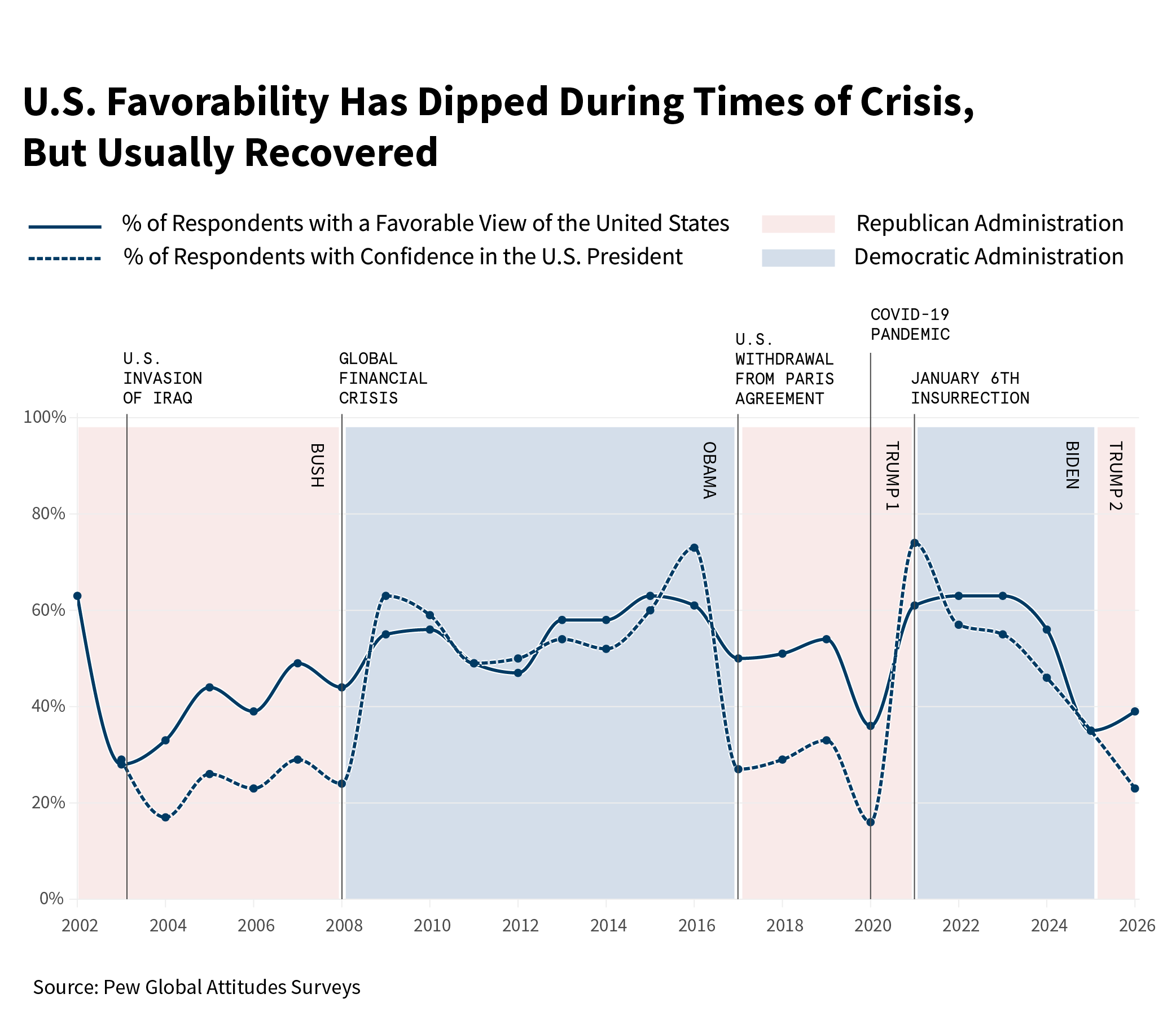
The ups and downs of American soft power can be measured through the United States’ global favorability ratings, which are a good proxy for the attractiveness of the country, on which its soft power ultimately depends (see figure 1). In the 2002 Pew Global Attitudes survey, an average of 63 percent in the countries surveyed said they had a favorable view of the United States;22 in 2004, this stood at 33 percent.23 During former president Barack Obama’s administration, the country’s average favorability score rebounded, reaching 55 percent in 2009 and peaking at 63 percent in 2015.24 In 2020, as the first Trump administration was drawing to a close, America’s score had fallen back to 36 percent.25 In 2021, during the first year of the Biden administration, it had risen again, up to 61 percent.26 And in 2025, when Trump took office for the second time, it fell down again, to 35 percent.27
The first administration of President Donald Trump deprioritized soft power under its America First agenda. For example, in 2017, the director of the Office of Management and Budget, Mick Mulvaney, stated when presenting the administration’s first budget: “It is not a soft-power budget. This is a hard-power budget, and that was done intentionally. The president very clearly wants to send a message to our allies and to our potential adversaries that this is a strong-power administration.”28 The administration withdrew from key multilateral agreements that had been championed by previous administrations, including the Paris Climate Agreement, the Trans-Pacific Partnership, and the Joint Comprehensive Plan of Action (JCPOA) regarding Iran, and it verbally attacked NATO allies and international institutions in a way that hurt the credibility of U.S. commitments globally, and with that U.S. soft power.29
The administration also took several actions that directly contradicted the U.S. values that defined the “city on a hill.” This included Executive Order 13769 that banned people from several Muslim-majority countries from entry into the United States, family separation policies at U.S. borders, and cuts to refugee resettlement targets. These made clear the approach to immigration had shifted dramatically.30 Given the countries it targeted, Executive Order 13769 also complicated cooperation with several partners in the Middle East, including in the ongoing war against the Islamic State. At home, Trump’s attacks on the media, challenges to judicial independence, and the handling of anti-Trump protests, led the World Press Freedom Index to drop the rating of the United States to its lowest level in history and the Economist Intelligence Unit’s Democracy Index to downgrade the country from a “full democracy” to a “flawed democracy.”31
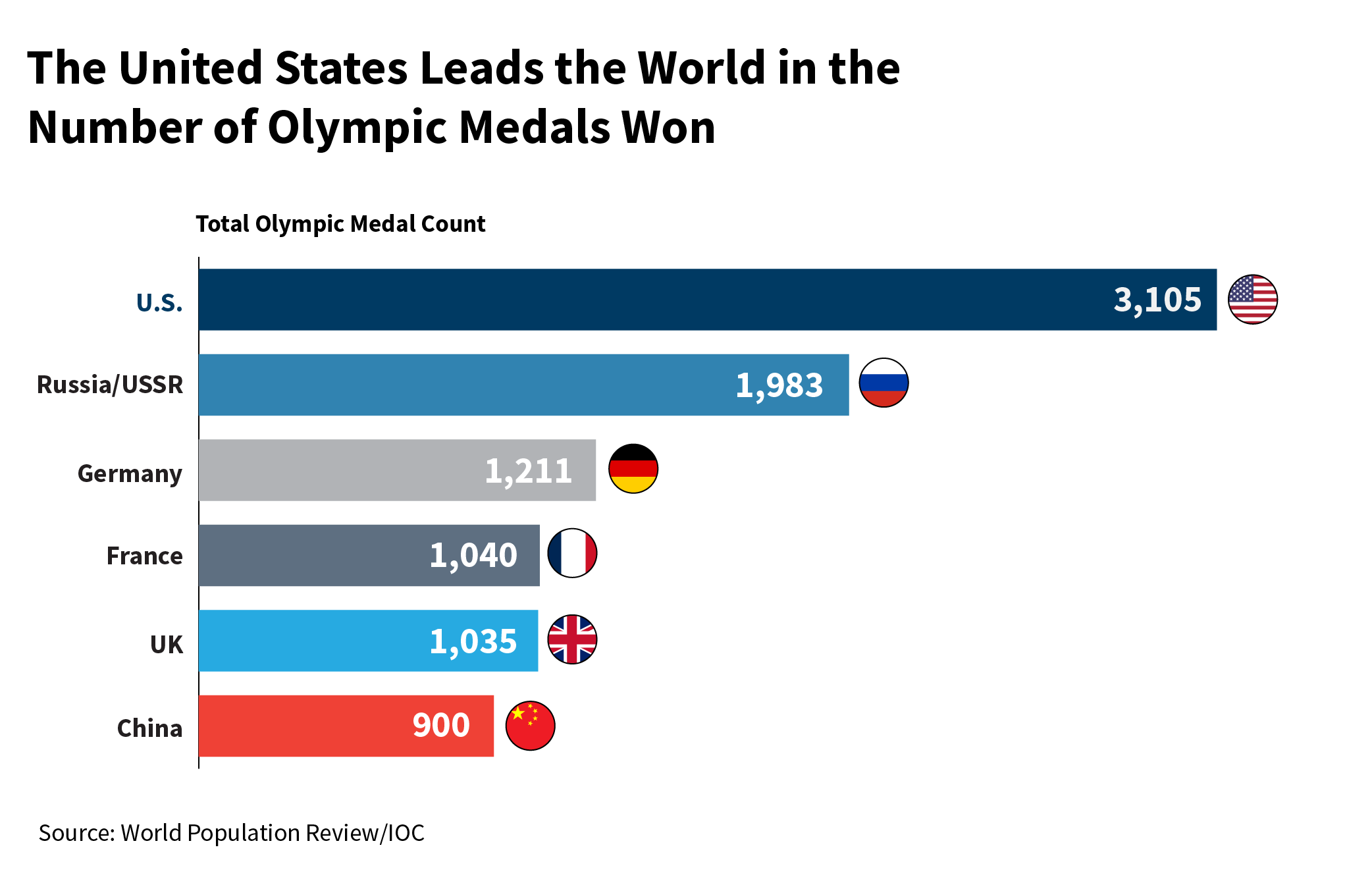
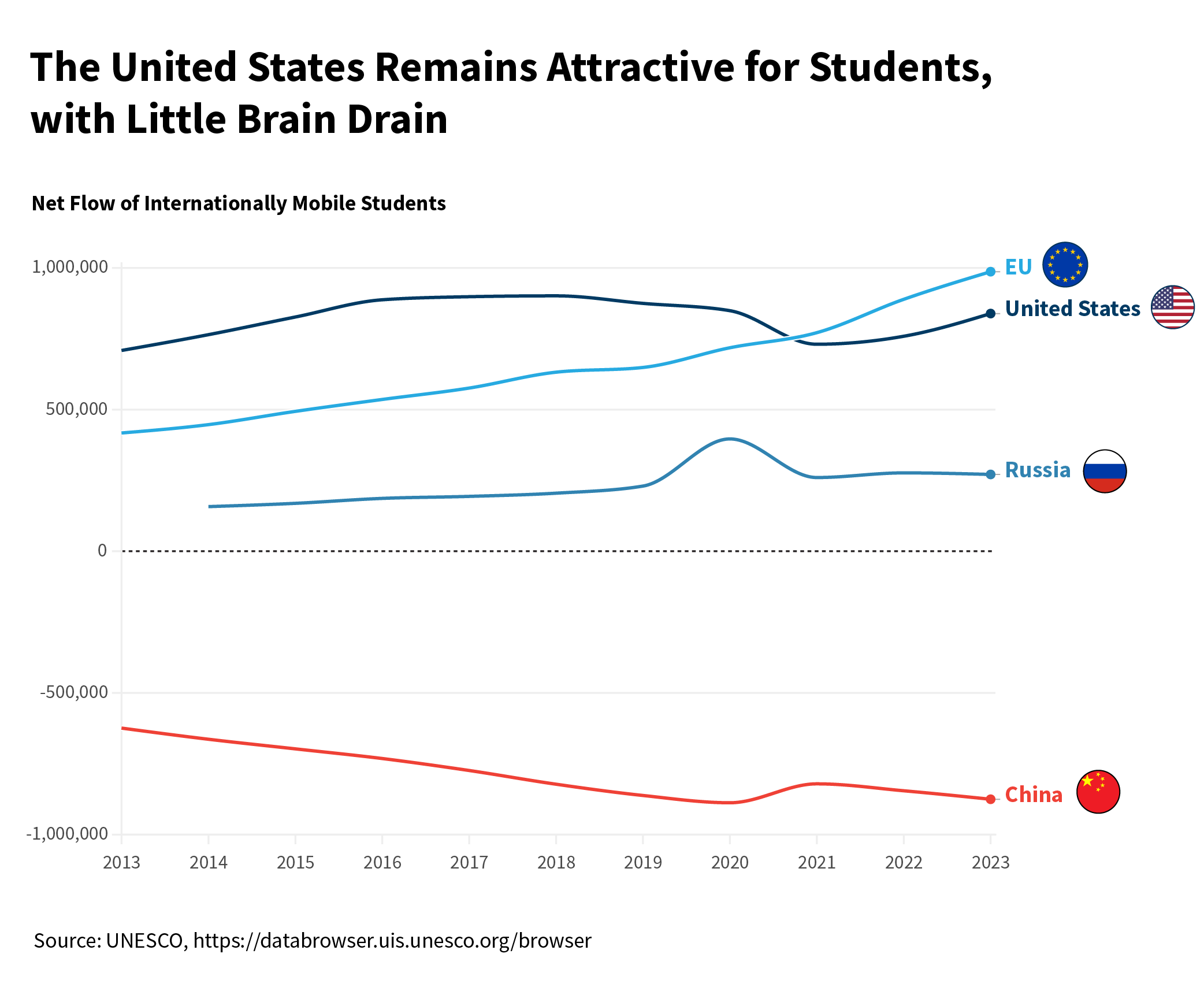
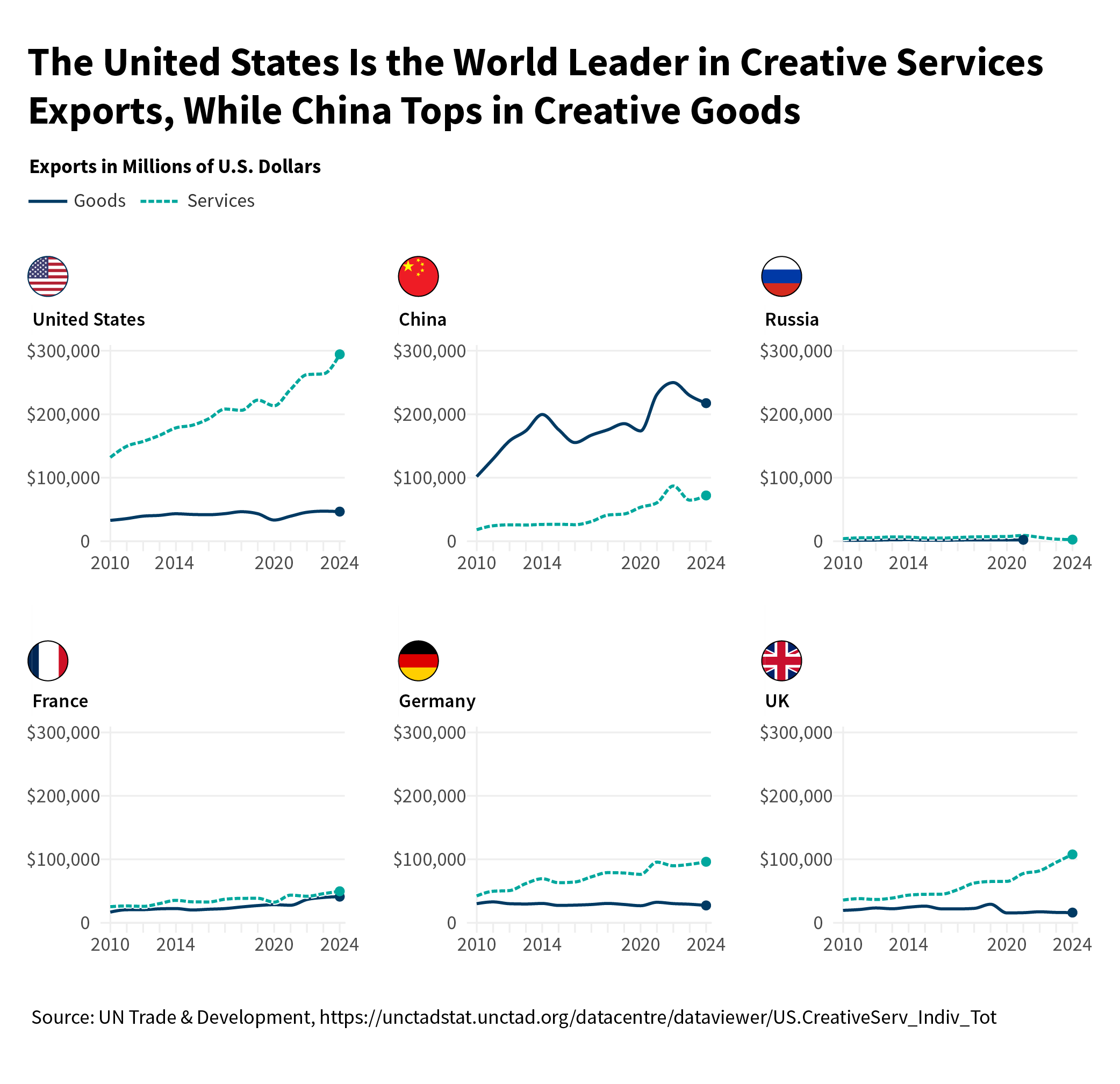
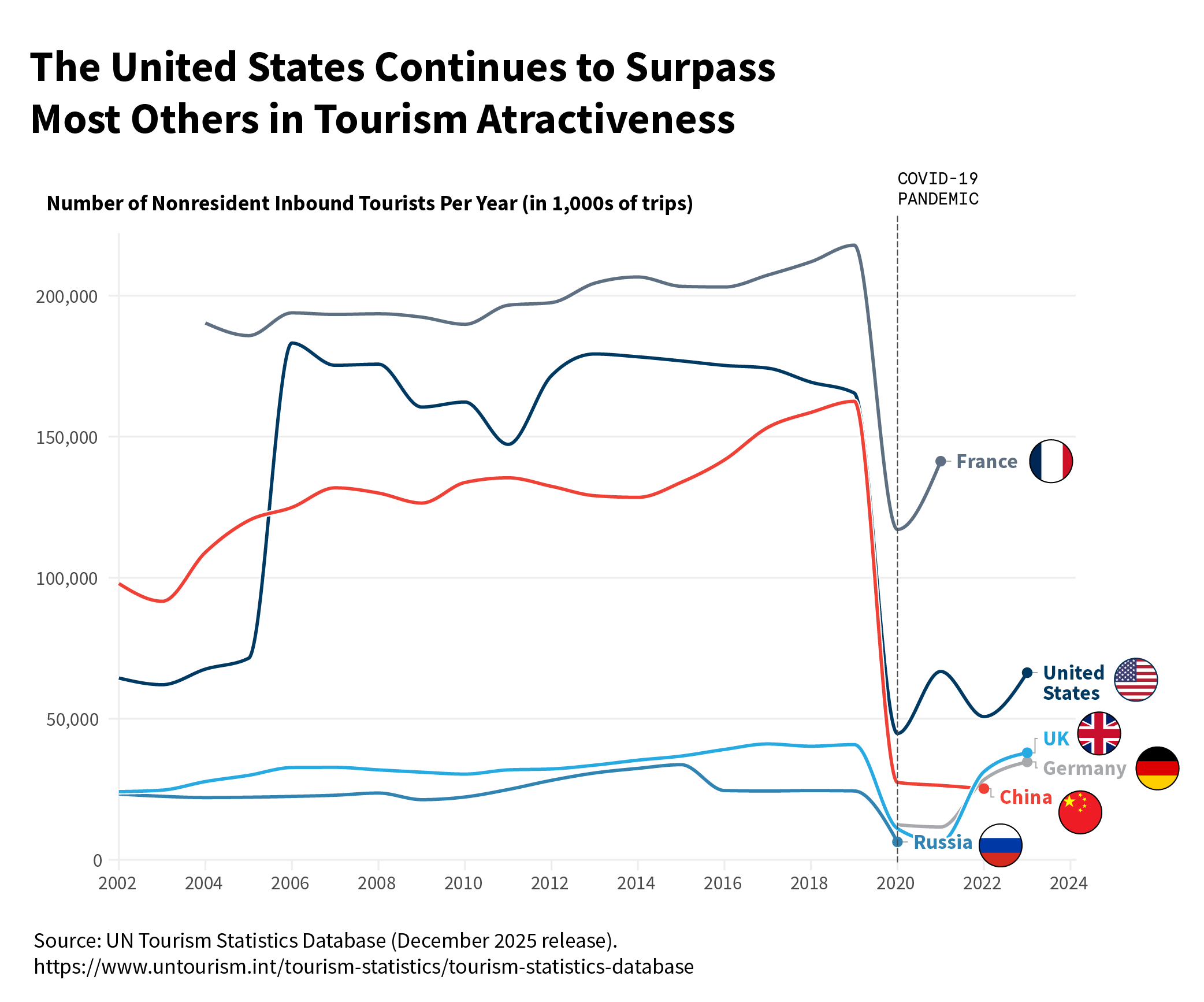
Some components of U.S. soft power—such as cultural influence, educational appeal, sports, and public diplomacy—did not diminish significantly during the first Trump administration. The United States continued to dominate at the Olympics and in exports of creative services and maintained its share of creative goods. International students and tourists continued to be drawn to the United States at similar levels as during the Obama administration, with the notable exception of the pandemic years, which was unrelated to soft power projection. But other indices showed the damage many of Trump’s policies were doing. In the 2021 Global Soft Power Index, for example, the United States fell from first to sixth place as a result of the “turbulent” 2020 presidential election and the “incompetent” response to the COVID-19 pandemic.32
The first Trump administration demonstrated the limits of purely coercive power in its extensive use of sanctions, military, and other threats in different contexts, and at the same time it showed that American soft power at that point was not enough to draw other countries on board in the pursuit of some of its goals. Examples of the latter included Europe’s efforts to circumvent Trump’s withdrawal from the JCPOA by developing a special payment mechanism, the fact that few nations followed its campaign against the World Health Organization,33 and the weak support for his efforts to remove president Nicolás Maduro from power in Venezuela.
Trump’s administration demonstrated the limits of purely coercive power in its extensive use of sanctions and the military.
President Joe Biden came into office intending to rebuild American soft power, with the slogan “America is Back.” After the experience of the first Trump administration, his administration sought to repair longtime alliances and to reassure partners that Washington would be reliable and engaged on the global stage once more.34 In a reversal of Trump decisions, the United States rejoined the Paris Climate Agreement and the World Health Organization, and it restored funding to UN agencies. The Biden administration pursued vaccine diplomacy in the midst of the COVD-19 pandemic, delivering over 693 million doses of vaccines to developing countries in partnership with COVAX and other global organizations, and waiving intellectual property protections as a way to counter China’s own vaccine diplomacy.35 The administration took other steps aimed at countering a perceived increase in Chinese soft power, including joining with its G7 partners to launch the Partnership for Global Infrastructure and Investment to compete with China’s Belt and Road Initiative. To restore American credibility on democracy promotion, it also initiated and hosted a first Summit for Democracy in 2021 and co-hosted the second one in 2023 to counter the spread of authoritarian models. The Biden administration also carried out emergency response efforts around the globe that built goodwill and restored the U.S. reputation abroad. It also increased educational exchanges, including returning the International Visitors Leadership Program, Fulbright Program, and Mandela Fellows Program to pre-Trump levels to create ties between future global leaders and the United States.
Such efforts in part aimed at restoring a measure of the soft power that the Biden administration believed had been squandered by the first Trump administration. During Biden’s election bid, his campaign had issued “The Biden Plan for Leading the Democratic World to Meet the Challenges of the 21st Century.”36 In his opening remarks at the first Summit for Democracy, he declared: “The United States is going to lead by example, investing in our own democratic—in our democracy, supporting our partners around the world at the same time.”37
The Biden administration took a few very high-profile actions that diminished the United States’ credibility and hurt its soft power, such as the chaotic 2021 Afghanistan withdrawal and the support for Israel in the Gaza war.
At the same time, though, the Biden administration took a few very high-profile actions that diminished the United States’ credibility and hurt its soft power, such as the chaotic 2021 Afghanistan withdrawal and the support for Israel in the Gaza war. Additionally, domestic issues including continued political polarization and gun violence further hurt the attractiveness of the American model.
The second Trump administration has not rejected the need for soft power; rather, it frames and wields soft power differently than past ones have. The 2025 National Security Strategy states:
We want to maintain the United States’ unrivaled “soft power” through which we exercise positive influence throughout the world that furthers our interests. In doing so, we will be unapologetic about our country’s past and present while respectful of other countries’ differing religions, cultures, and governing systems. “Soft power” that serves America’s true national interest is effective only if we believe in our country’s inherent greatness and decency.38
Further, in describing the country’s “world-leading assets, resources and advantages,” the National Security Strategy mentions its “unmatched ‘soft power’ and cultural influence.”
However, who it seeks to attract is at odds with the traditional U.S. soft power projection around the values of democracy, equality, and human rights. The fact that the Trump administration embraces autocrats is not unique in American history, but that it does so openly and without reservation is new. And the reason Trump sometimes does so is also new, with the pursuit of financial benefit to himself, his personal business, and his family circle.39
The Trump administration has also overtly attempted to influence election outcomes in Argentina, Brazil, Germany, Hungary, Honduras, Canada, Japan, Australia, Romania, Poland, France, and the United Kingdom by publicly endorsing some candidates and attacking others, or by conditioning aid on certain electoral outcomes.40 While the United States has a long history of interfering in foreign elections, particularly through covert CIA operations during the Cold War, it had shifted toward overt and ostensibly nonpartisan democracy assistance and avoided public endorsement of specific candidates since the 1980s. The administration has departed from this by openly endorsing candidates and parties, particularly illiberal and far-right ones, including by publicly sending senior officials such as Vice President JD Vance or former Homeland Security secretary Kristi Noem for meetings. This undermines the United States’ credibility around the world as a democracy supporter, not least with its traditional democratic allies and partners. In those cases where it wishes to do so, this also diminishes the administration’s ability to influence in a pro-democracy direction autocratic and illiberal governments, which can refer to its hypocrisy when failing to follow democratic values at home and to advance them in some countries.
Some analysts have argued, based on polling results, that one consequence of the Trump administration’s America First foreign policy is that it is boosting the global impression of China as increasingly powerful and “driving people closer to China.”41 In this view, Trump’s rejection of liberal democratic values also gives other actors “license to build stronger links to Beijing.”42 If that is correct, then one side effect of the administration’s diminution or reframing of American soft power is to help increase China’s relative attractiveness as partner.
The administration has also intentionally diminished or destroyed key institutions on which American soft power rested, such as the U.S. Agency for International Development (USAID), the U.S. Institute of Peace, and Voice of America. The United States’ soft power has been boosted for decades by its international humanitarian and other activities that have aimed to win “hearts and minds” around the world. The Trump administration, however, has dismantled USAID, instituted hiring freezes in other foreign assistance institutions, and sought to close the Voice of America.
The clearest example is the destruction of USAID, which branded its assistance as “from the American people” and played an important role in building up the United States’ moral authority and exposing populations to its goodwill. Research has shown that U.S. foreign assistance broadly boosts soft power, with health aid showing the clearest measured effect.43 In a similar vein, the hobbling of the National Endowment for Democracy,44 as part of an overall rejection of democracy promotion, has undermined the trust Washington built with pro-democracy movements across the world over decades. The destruction of U.S. public diplomacy tools also makes it harder to communicate positive messages about America to the world.45 Adam Weinstein puts it in starker terms, “Washington isn’t just retreating from global engagement. It’s burning the boats that once kept it tethered to the world.”46
The Trump administration’s actions on immigration have also had effects that are closely related to soft power. Limiting foreigners’ access to the United States has indirect consequences for its soft power. Openness to immigration has been not only a direct benefit to its economy and culture, it has also been a key part in the “city on a hill” idea. The United States’ power of attraction around the world is diminished by the shutting out foreigners—including scientists, doctors, and other experts—or by disqualifying them from remaining in the country and sometimes deporting them outright. The violent law-enforcement crackdowns on migrants and on U.S. citizens engaged in opposing protests compounds the problem.
Insofar as soft power flows from the credibility of a country’s commitments, the legitimacy of its foreign policy, and the trustworthiness of its leaders, the Trump administration has also eroded that of the United States. For example, its indiscriminate and punitive use of tariffs, threats to annex Greenland and suggestion of taking back the Panama Canal have damaged American trustworthiness. As Keren Yarhi-Milo has argued, Trump has not only undermined American credibility to a greater extent than any past president has, he has done so deliberately by seeking to be unpredictable.47 The result, as Francis Fukuyama wrote, is that there “has never been a time when the United States was more distrusted, by both traditional friends and by rivals, as at the present.”48 European analysts have argued that Trump’s volatility has threatened the U.S.-EU relationship in new and meaningful ways, and that the “transatlantic trust has been shattered.”49
Contrary to his argument, Trump’s intentional unreliability is not a strength—it harms American soft power as allies question U.S. reliability and adversaries see this as weakness. Allies are unlikely to behave as the United States wishes if its preferences—and the rewards for compliance with them—are far from guaranteed. Trump’s personalist approach for foreign relations is equally detrimental to U.S. soft and hard power. Personalist-based alliances are inherently unreliable and the volatility that entails could lead U.S. allies to increase their military spending and increasingly hedge against the United States in ways that are harmful to its ability to encourage its allies to support U.S. national security priorities.50
For Trump, soft power is also more about his personal brand than that of the United States.
For Trump, soft power is also more about his personal brand than that of the United States. And he has tried to repurpose soft power to serve his financial self-interest. Trump’s brand is perhaps best symbolized by the phrase “Make America Great Again,” as displayed on his iconic red cap, which he often gifts to foreign leaders, and by the acronym MAGA. Some savvy leaders have spun the brand around on Trump. Colombia’s President Gustavo Petro, during his visit to the White House in February 2026, added an “s” to his gifted hat and told Trump he hoped they could make “Americas” great again.51 Where Trump conducts diplomatic business also promotes his brand and can be seen as an attempt to project his personal soft power. While he holds some official meetings in the Oval Office, he has made more use of his personally branded venues such as hotels (including the Trump International Hotel in DC his first term) and golf clubs as well as his Mar-a-Lago private club in Florida.52 Weinstein has argued that, “by tying diplomacy to the president’s personal brand—as if it belongs to one person or administration—the US erodes its long-term credibility and undermines the very diplomats charged with carrying it out.”53
One possible consequence for American soft power of this personalized approach is that it can make leaders of rival powers seem more trustworthy by comparison as global views of Trump become more negative. According to Pew data, in 2023, the median level of confidence in 20 countries—including close U.S. allies like Germany and the United Kingdom—that Biden would “do the right thing regarding world affairs” was 54 percent, compared to only 19 percent for Xi, whereas in 2026 confidence in Trump is at 21 percent and in Xi at 31 percent.54
However, given the idiosyncratic nature of Trump as a political figure and of his approach to the presidency, it would be nearly impossible for the next administration—whether Democratic or Republican—to carry on an approach to soft power that is situated so clearly in his person.
There is a temporal difference when it comes to the destruction and rebuilding of soft power. The dimensions of soft power that the Trump administration has damaged are easier to erode than to rebuild.55 We therefore may not know the extent of damage to U.S. soft power until well beyond the end of the administration, making it difficult to repair.
On the other hand, unlike hard power resources, whose decrease can be clearly observed when used, the sources of soft power are more diffuse and many of them are difficult to use up or to destroy. For example, while many around the world were shocked by the images of the Capitol under attack on January 6, 2021,56 there was no clear and measurable decline in soft power. If soft power decline were happening, we might expect to see a drop in Hollywood box office receipts, foreign students unenrolling from U.S. universities, or a decrease in demand for U.S. foreign assistance, but there is no data to support that this occurred. What is more, foreign public perceptions of a country change slowly,57 and, similarly, soft power increases or decreases slowly. Just as it may have taken generations for foreign audiences to develop the admiration and respect that brings the United States soft power, this soft power may linger for years after the seeds of its decline have been sowed.
American soft power has declined before and, in most cases, recovered. As Nye wrote in 2021, the United States suffered far greater threats to its soft power during the 1960s than during the first Trump administration, including the assassinations of Martin Luther King Jr. and Robert Kennedy, the Vietnam War, and bombings of university and government buildings.58 Yet, these developments also pushed U.S. political figures to “restore our attractiveness,” which arguably increased the country’s soft power in the long term.59 The United States’ attractiveness had been taken for granted by many political leaders, and it was not until it was threatened that they realized the need for action to restore it. However, the fact that American soft power recovered from harm in the past does not mean it will do so this time.
There are several important long-term implications of the decline of American soft power through the actions of the second Trump administration. First, it is creating a vacuum that other powers can take advantage of and try to fill. For example, China and Russia gain fodder for their arguments in favor of autocracy. In China, a propaganda campaign spread the message “democracy produces chaos” following the January 6 riot,60 while in Russia state-run outlets regularly blame the United States and its democratic dysfunction for domestic social problems at home and hold up the Vladimir Putin regime as a counterexample of stability.61
As its attractiveness and legitimacy erode, and thus its soft power declines, the United States will likely need to compensate for that if it wants to achieve some goals in ways—such as financial inducement, sanctions, or force—that are costlier than the consent-generating ones of soft power. A foreign policy that leans more heavily on coercive and hard power rather than soft power will also risk greater and more hostile blowback. This is an expensive and potentially dangerous path forward for the United States.
What is the future of American power? The United States commands extraordinary resources across every dimension of national power, yet in recent years it has struggled to achieve many important foreign policy aims. This paradox raises a key question for Americans and the world: What can the United States actually do with the power it has? Our project examines not just the quantity but the qualities of American power, assesses the degree to which it is eroding, and asks how the United States might use the power it has to better effect.

Acting Co-Director and Senior Fellow, Middle East Program
Sarah Yerkes is acting co-director and a senior fellow in the Middle East Program at the Carnegie Endowment for International Peace. Her research focuses on democracy and governance, U.S. foreign policy towards the Middle East and North Africa, and political and economic reform in Tunisia.
Recent Work

Alejandro Martin Rodriguez, Joy Arkeh, Sarah Yerkes
Alejandro Martin Rodriguez, Sarah Yerkes
Carnegie does not take institutional positions on public policy issues; the views represented herein are those of the author(s) and do not necessarily reflect the views of Carnegie, its staff, or its trustees.
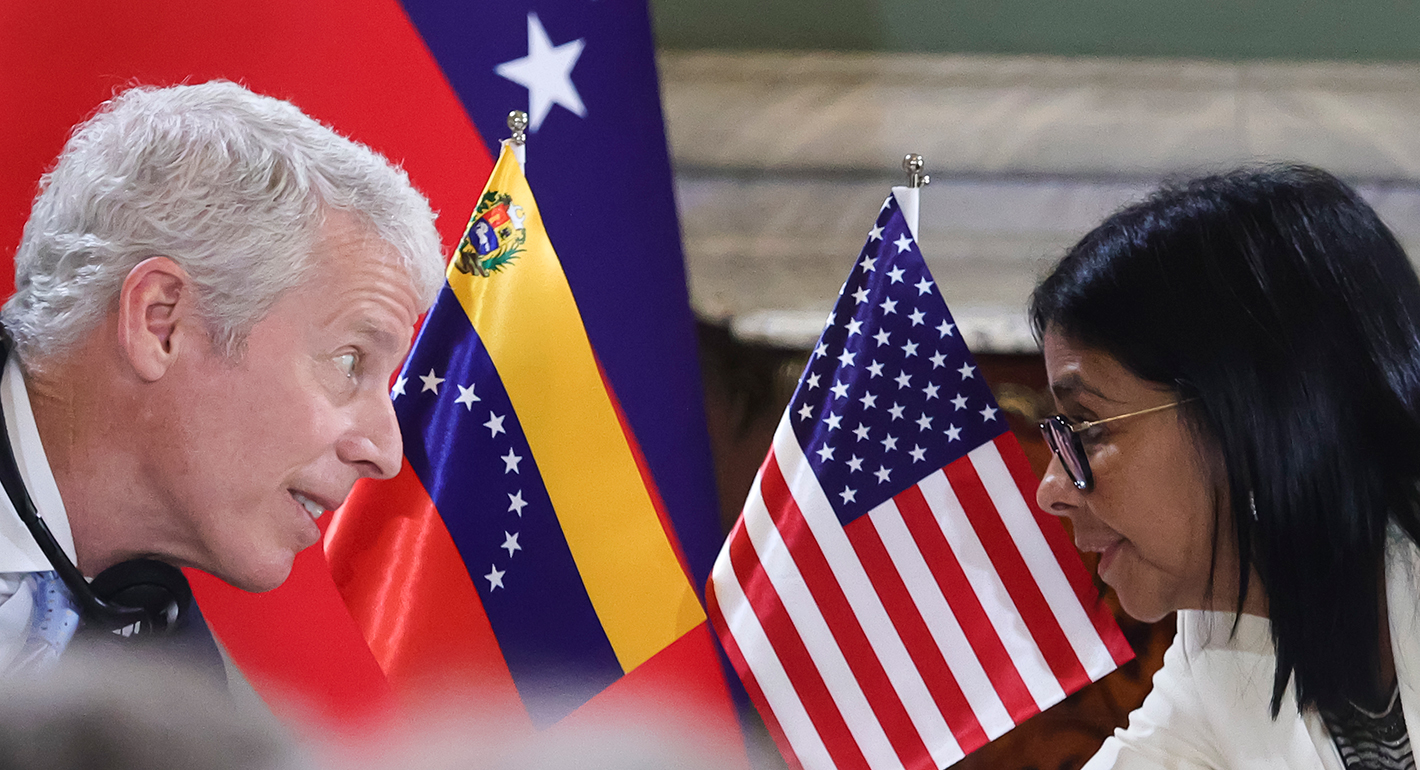
Washington needs to recognize that influence in the Western Hemisphere comes from presence, delivery, and reliability. It also must recognize that while the United States remains the key external actor, it no longer operates in a permissive environment and cannot presume deference from regional players who have other options, namely China.
Juan S. Gonzalez
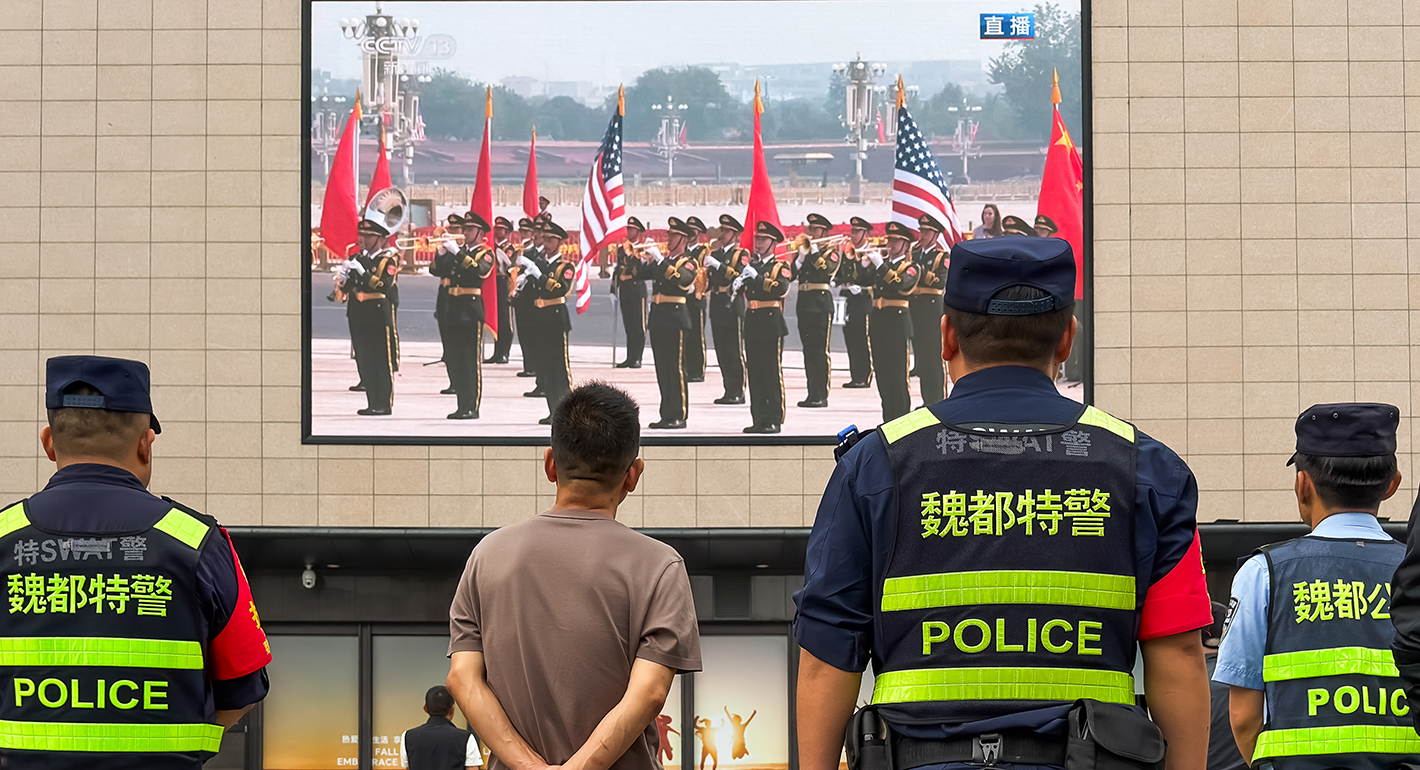
Chinese strategists are once again debating whether American power is declining and whether U.S. hegemony is experiencing irreversible decay.
Wu Xinbo
Networks—from international payments platforms to key economic sectors—underlie many aspects of U.S. power. But they are suffering under an extractive approach to foreign policy.
Daniel W. Drezner
American power is entrenched in Europe. Yet the depth of this relationship has become a source of unease in Europe and Europeans are working to reduce their exposure to the vicissitudes of U.S. politics wherever they can.
Sophia Besch, Tara Varma
It seems likely that, no matter what, the power of the U.S. nuclear arsenal will face erosion, not least in the credibility of its commitments to defend allies and the political durability of those alliances.


James M. Acton, Ankit Panda